
Tokenizasyon: Transforming the Financial Landscape
Tokenizasyon is a groundbreaking concept that is reshaping the financial industry by revolutionizing the way we view and utilize assets. In this comprehensive guide, we will delve into the world of tokenization, exploring its definition, benefits, and practical applications. By the end, you’ll have a clear understanding of how tokenization can unlock new opportunities for investors, businesses, and the global economy.
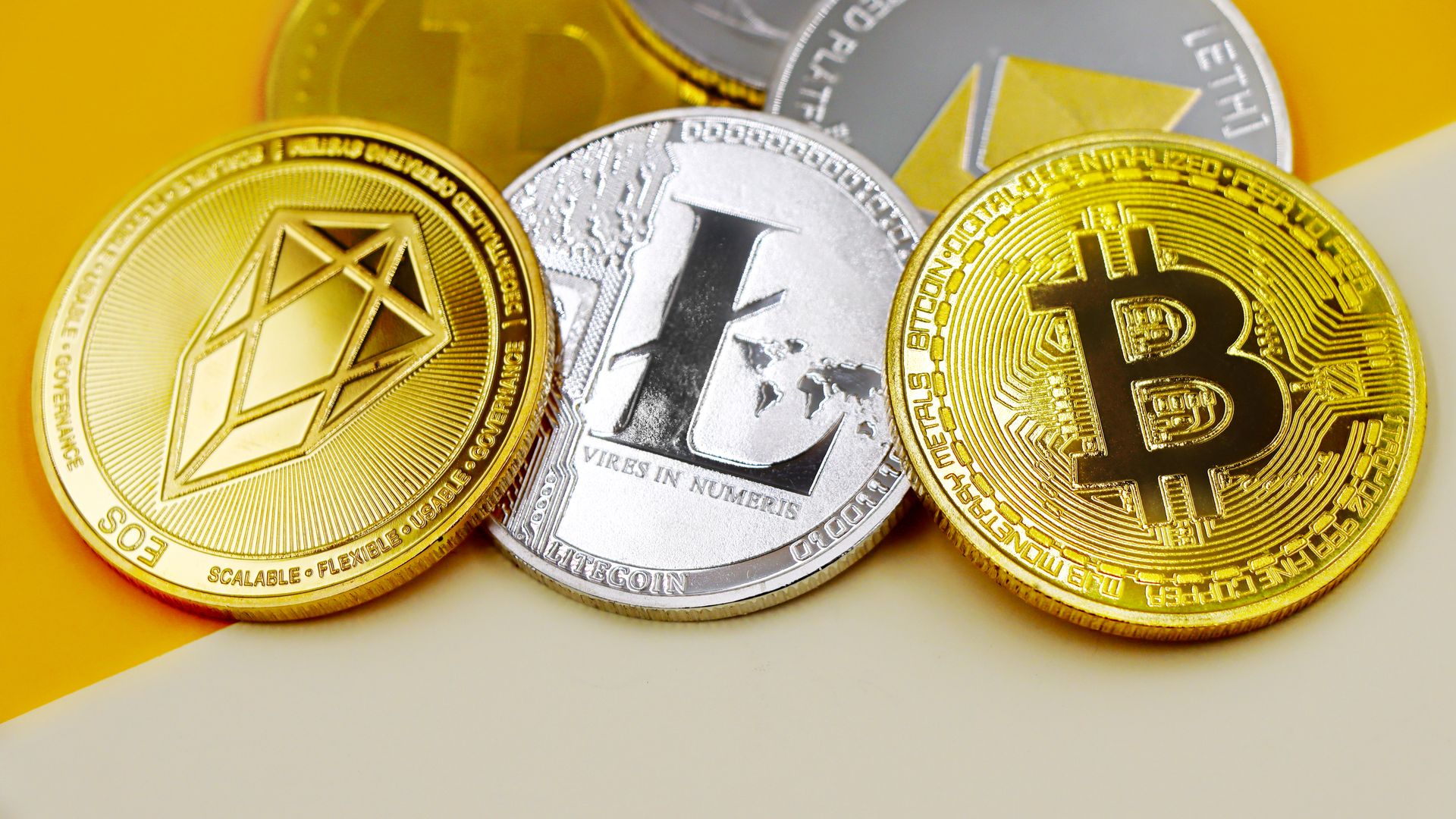
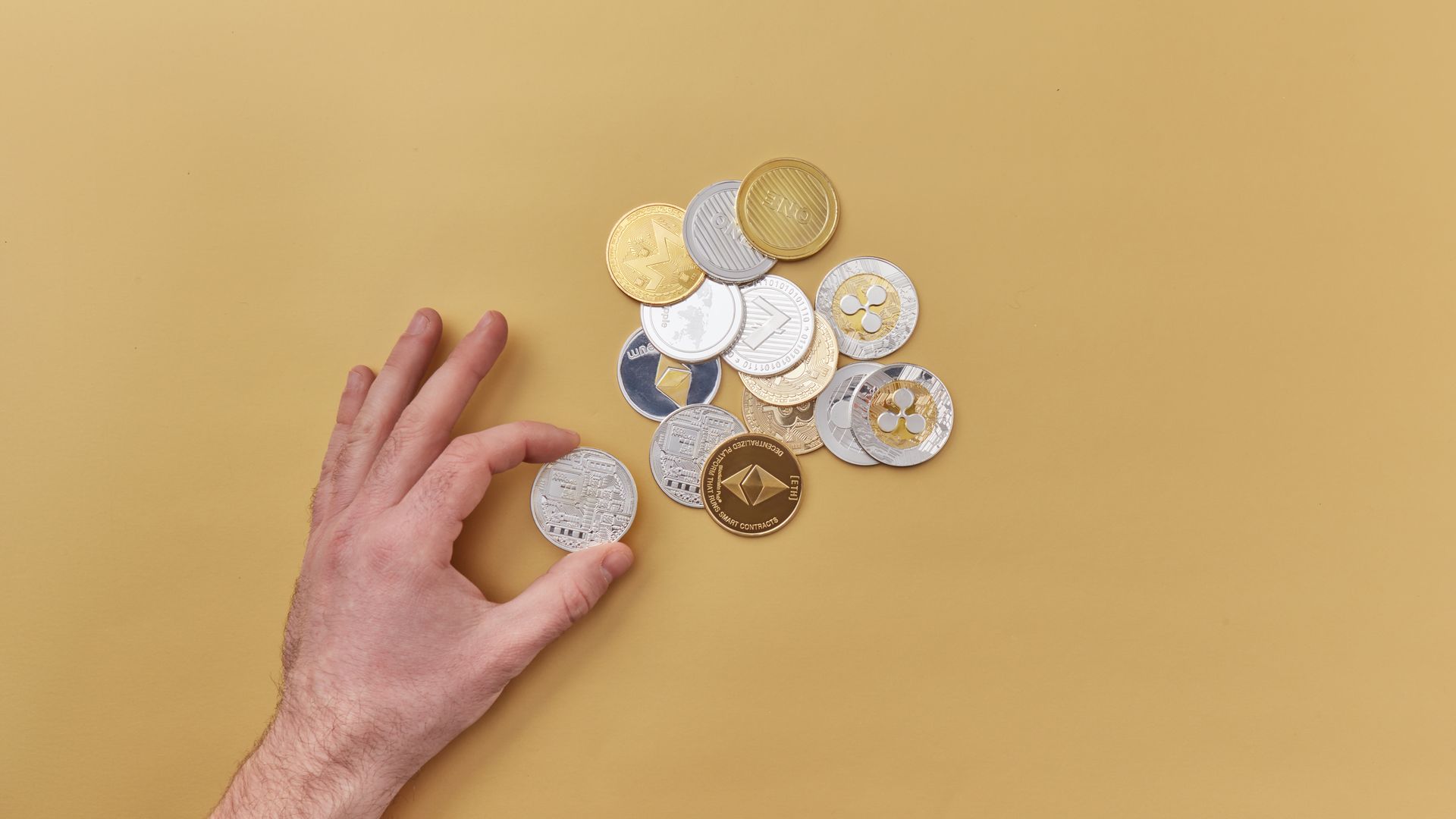
In simple terms, tokenizasyon is the process of transforming real-world assets into digital tokens, which can be easily traded and managed on blockchain networks. This innovative approach has the potential to disrupt traditional financial systems and create a more inclusive and efficient global marketplace.


Quick Answer: Tokenizasyon is the process of converting real-world assets into digital tokens, offering increased liquidity, accessibility, and transparency. It leverages blockchain technology to represent ownership and enable secure trading of various assets, including real estate, art, and intellectual property.
What Is Tokenizasyon and Why Does It Matter?
Tokenization is more than just a buzzword in the financial sector; it’s a powerful tool that addresses longstanding challenges in asset management and ownership. By converting physical assets into digital tokens, tokenization offers numerous advantages, such as:
- Increased Liquidity: Tokenized assets can be traded more efficiently, attracting a broader investor base and improving market liquidity.
- Enhanced Accessibility: Investors can gain exposure to diverse asset classes without the need for large capital outlays, democratizing investment opportunities.
- Improved Transparency: Blockchain-based tokenization ensures a transparent and secure record of ownership, reducing the risk of fraud and enhancing trust in the system.
The impact of tokenization extends beyond individual investors. It has the potential to transform entire industries, such as real estate, art, and intellectual property. For instance, according to Investopedia, tokenization can enable fractional ownership of high-value assets, making it possible for investors with limited capital to participate in lucrative markets.
How Does Tokenizasyon Work?
The process of tokenization involves several key steps, each playing a crucial role in ensuring the integrity and security of the digital tokens. Here’s a simplified breakdown:
- Asset Selection and Valuation: The first step is to identify the asset to be tokenized and determine its fair market value. This could be a piece of real estate, a work of art, or even a revenue stream.
- Token Creation and Issuance: Once the asset is evaluated, a corresponding number of tokens are created and issued on a blockchain platform. Each token represents a fraction of the asset’s value, allowing for fractional ownership.
- Smart Contract Implementation: Smart contracts, self-executing contracts with predefined rules, are programmed to govern the token’s behavior. These contracts ensure that transactions are secure, transparent, and compliant with regulations.
- Token Distribution and Trading: The tokens are then distributed to investors through initial offerings or secondary markets, where they can be bought, sold, or traded, just like traditional securities.
Cypress Finance, a leading financial advisory firm, emphasizes the importance of due diligence and regulatory compliance throughout the tokenization process. As the industry evolves, they are committed to guiding clients through this transformative journey.
Real-World Applications of Tokenizasyon
Tokenization is not just a theoretical concept; it’s already making waves in various industries, with numerous successful implementations. Here are some notable examples:
Real Estate Tokenization
The real estate sector is witnessing a significant transformation through tokenization. By tokenizing properties, developers and investors can offer fractional ownership, allowing multiple investors to own a portion of a building or development project. This approach reduces the barriers to entry for smaller investors and provides liquidity to an otherwise illiquid asset class.
For instance, consider a luxury apartment building in a prime location. Traditionally, investing in such a property would require a substantial upfront investment. However, through tokenization, the building’s ownership can be divided into smaller, more affordable tokens, enabling a wider range of investors to participate.
Art and Collectibles
The art world has embraced tokenization as a means to expand the market for fine art and collectibles. By tokenizing artwork, artists and galleries can offer fractional ownership, allowing art enthusiasts to invest in pieces they might not otherwise be able to afford. This democratization of art ownership also provides artists with a new revenue stream and greater exposure.
Imagine a renowned artist creating a limited-edition series of digital artworks. Through tokenization, each artwork can be represented by a unique token, enabling collectors to purchase and trade these digital assets securely on blockchain platforms.
Intellectual Property and Royalties
Tokenization is also making waves in the world of intellectual property and royalties. By tokenizing intellectual property rights, creators can secure their ownership and manage the distribution of royalties more efficiently. This is particularly beneficial for musicians, writers, and inventors who often struggle with tracking and collecting royalties.
For example, a musician can tokenize their music catalog, allowing fans to purchase tokens representing ownership in their work. This not only provides the artist with a new source of funding but also ensures that royalties are automatically distributed to token holders when their music is streamed or purchased.

The Benefits of Tokenizasyon for Investors
Investors stand to gain significantly from the tokenization of assets. Here are some of the key advantages they can expect:
- Diversification: Tokenization allows investors to diversify their portfolios by investing in a wide range of assets, including those that were previously inaccessible due to high entry barriers.
- Liquidity and Accessibility: Tokenized assets can be traded quickly and easily on blockchain platforms, providing investors with increased liquidity and accessibility to global markets.
- Fractional Ownership: Investors can own a portion of high-value assets, such as real estate or artwork, without needing to purchase the entire asset. This enables them to spread their investments across multiple opportunities.
- Transparency and Security: Blockchain technology ensures that all transactions are recorded on a secure, immutable ledger, providing investors with transparency and reducing the risk of fraud.
The team at Cypress Finance is dedicated to helping investors navigate this evolving landscape, offering expert guidance on tokenization strategies and investment opportunities. As the financial world continues to embrace tokenization, investors can look forward to a more diverse and accessible investment environment.
The Future of Tokenizasyon
The potential of tokenization is immense, and its future looks promising. As the technology matures and regulatory frameworks evolve, we can expect to see even more innovative applications and increased adoption across various sectors. Here are some key trends to watch:
Regulatory Developments
The regulatory landscape surrounding tokenization is rapidly evolving. Governments and financial authorities are working to establish clear guidelines and standards to ensure investor protection and market integrity. As regulations become more defined, we can expect to see increased confidence in tokenized assets, attracting institutional investors and further driving market growth.
Integration with Traditional Finance
Tokenization is not a replacement for traditional finance but rather a complementary tool. As the industry matures, we can anticipate closer integration between tokenized assets and traditional financial systems. This convergence will enable seamless trading and settlement of tokenized assets, further enhancing their accessibility and liquidity.
For example, the integration of tokenized assets with traditional brokerage platforms could allow investors to manage their tokenized and traditional investments from a single interface, streamlining their investment strategies.
Global Market Expansion
Tokenization has the potential to unlock global markets, enabling cross-border transactions and investments with greater ease. As blockchain technology continues to gain traction worldwide, tokenized assets will become increasingly accessible to international investors, fostering a more interconnected and diverse investment landscape.
The future of tokenization is bright, and Cypress Finance is committed to staying at the forefront of this transformative trend. By offering comprehensive insights and guidance, we aim to empower investors and businesses to capitalize on the opportunities presented by tokenization.

Frequently Asked Questions
How does tokenization differ from traditional asset ownership?
Tokenization represents a significant departure from traditional asset ownership by converting physical assets into digital tokens on a blockchain. This enables fractional ownership, increased liquidity, and improved transparency, all while ensuring secure and efficient transactions.
What are the potential risks associated with tokenization?
While tokenization offers numerous benefits, there are also risks to consider. These include regulatory uncertainties, market volatility, and potential cybersecurity threats. It’s essential to conduct thorough due diligence and work with reputable platforms and advisors to mitigate these risks.
Can tokenization be applied to any type of asset?
Yes, tokenization can be applied to a wide range of assets, including real estate, art, intellectual property, and even revenue streams. Its versatility is one of its key strengths, allowing for the tokenization of virtually any asset with value.
How can investors get started with tokenization?
Investors interested in tokenization should start by researching reputable platforms and projects that align with their investment goals. Working with established advisors like Cypress Finance can provide valuable insights and guidance on navigating the tokenization landscape.
What role does blockchain technology play in tokenization?
Blockchain technology is the foundation of tokenization, providing a secure and transparent platform for creating and managing digital tokens. Its decentralized nature ensures that transactions are tamper-proof and that ownership records are immutable, enhancing trust in the system.