
If you’ve recently noticed an unfamiliar company listed on your credit report or received a collection notice tied to an old account, it can be unsettling. Many people find themselves searching for answers after seeing a name they don’t recognize connected to a past financial obligation. It’s a situation that often raises questions—who is this company, why are they contacting you, and what should you do next?
This guide is designed to help you understand the situation in a calm and practical way. Instead of reacting with confusion or stress, you’ll gain a clearer picture of how debt buyers operate, why they may reach out, and how you can respond effectively while protecting your financial well-being.
What This Company Does
The organization in question operates as a debt purchaser. Rather than issuing loans or credit directly, it acquires unpaid accounts from banks, credit card issuers, and other lenders after those debts have been written off. These accounts are typically sold in large bundles at reduced prices, allowing the buyer to attempt recovery.
In many cases, communication isn’t handled directly by the company that owns the debt. Instead, a third-party servicer—such as Resurgent Capital Services—manages customer contact, payment processing, and account inquiries. This setup often creates confusion, as consumers may see different names associated with the same obligation.
Why You Might Be Contacted
There are several reasons you could receive a letter or phone call regarding an old balance. Most commonly, the company has purchased an account that was originally yours. This could relate to a credit card, personal loan, or retail financing agreement that went unpaid for an extended period.
For many individuals, the confusion comes from the time gap. The original account may be years old, making it difficult to immediately recognize. In other situations, errors may occur due to outdated records or identity mix-ups. That’s why it’s important to review any claim carefully instead of assuming it is accurate.
How the Collection Process Works
When lenders are unable to recover unpaid balances, they often sell those accounts to specialized firms. These companies then attempt to collect the debt, sometimes through direct communication and other times through external agencies.
The process can involve several steps, including contacting the consumer, reporting the account to credit bureaus, and offering settlement opportunities. In certain situations, legal action may also be considered, depending on the age of the debt and local regulations.
Understanding this system helps explain why a new company may suddenly appear in connection with an old financial obligation. The ownership of the account has simply changed hands.
Legal Action and What It Means
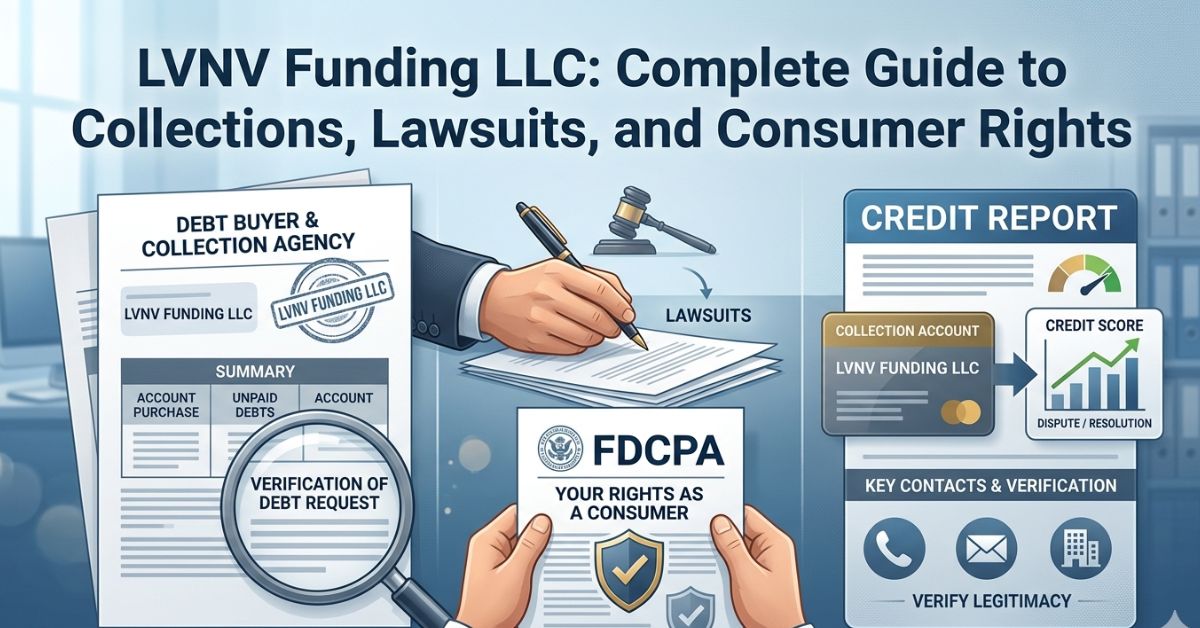
One of the biggest concerns people have is the possibility of being taken to court. Debt buyers do have the legal right to file a lawsuit if they believe the claim is valid and within the allowable timeframe set by state law.
If this happens, you will receive official court documents. Ignoring them can lead to a default judgment, which means the court may rule against you without hearing your side. This can result in serious consequences, such as wage garnishment or bank account restrictions, depending on where you live.
Responding promptly is essential. Even if you believe the claim is incorrect, participating in the legal process gives you the opportunity to present your case.
Your Rights as a Consumer
Dealing with debt collection can feel overwhelming, but there are laws in place to protect you. The Fair Debt Collection Practices Act (FDCPA) sets clear rules for how collectors can behave.
These protections ensure that you are treated fairly. Collectors cannot harass you, use threatening language, or provide misleading information. You also have the right to request proof that the debt is legitimate and that the company has the authority to collect it.
If you dispute the claim, the collector must pause efforts until proper documentation is provided. This gives you time to verify the details and decide on the best course of action.
Impact on Your Credit
When a collection account appears on your credit report, it can have a noticeable effect on your score. This may influence your ability to secure loans, rent housing, or qualify for new lines of credit.
These records can remain on your report for several years, even if the balance is eventually paid. However, resolving the account may still improve your overall credit profile over time, especially with newer scoring models.
Regularly reviewing your credit report is one of the best ways to stay informed. If you notice inaccuracies, you have the right to dispute them with the credit bureaus.
Verifying Company Information
Many people try to confirm details by searching for addresses, phone numbers, or office locations. While this can be helpful, it’s important to rely on official communication and written documentation when dealing with financial matters.
Because servicing companies may handle communication, you might encounter different names associated with the same account. Keeping records of all correspondence can help you stay organized and avoid confusion.
Common Confusion and Mistakes
It’s very common for individuals to feel unsure when dealing with older debts, especially when company names are unfamiliar or slightly difficult to remember. Small spelling differences or variations in how names appear can add to the uncertainty.
Another common issue is reacting too quickly—either by ignoring the situation entirely or paying without verifying the details. Taking a balanced, informed approach is always the best option.
What Steps Should You Take?
If you’re facing a situation like this, start by reviewing all the information carefully. Compare the details with your own records and check your credit report for consistency.
If something doesn’t seem right, request validation in writing. If the debt is accurate, you may consider negotiating a settlement or payment plan that fits your financial situation. Always get agreements in writing before making payments.
In more complex situations, especially those involving legal action, seeking professional advice can provide clarity and help you make informed decisions.
Conclusion
Encountering a debt buyer connected to an old account can feel overwhelming at first, but understanding how the system works makes a significant difference. By verifying information, knowing your rights, and responding thoughtfully, you can handle the situation with confidence.
Instead of letting uncertainty take over, focus on gathering facts and taking measured steps. With the right approach, even complicated financial issues can be managed in a way that protects your interests and supports your long-term financial health.